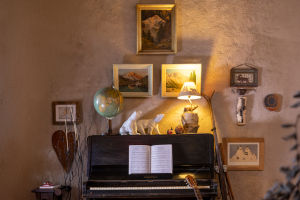
Modern decoration is not about filling empty space or following every new trend. A well-designed living room combines practical planning with carefully selected decorative elements, creating a space that feels comfortable, organized, and visually balanced
Understanding how scale, spacing, lighting, and materials work together can help you decorate with greater confidence. Often, a few thoughtful adjustments have more impact than buying additional accessories
Build a Strong Decorative Foundation
Before selecting accessories, consider whether the room already feels balanced and functions well. Decorations should enhance the existing space rather than compensate for awkward furniture placement or an impractical layout.
A clear focal point, appropriate proportions, varied heights, and intentional empty space can help create a cohesive appearance. These principles provide a useful foundation for making decorative choices without overcrowding the room.
Start With One Clear Focal Point
A focal point gives the eye a natural place to settle and helps establish visual hierarchy. It might be a piano, a fireplace, a large artwork, a distinctive architectural feature, or a carefully arranged shelving unit.
Once you identify the main feature, allow nearby decorations to support it rather than compete for attention. For example, if a white piano is the room's visual centerpiece, smaller and simpler accessories nearby can help preserve its prominence.
Not every room needs a single dominant object, especially when its layout contains several functional areas. The important goal is to create a clear sense of emphasis so that the overall composition feels intentional rather than cluttered.
Use Decoration in Proportion to Furniture
The size of decorative objects should relate to the furniture and surrounding space. A large console can accommodate a substantial arrangement, while a compact side table often works better with just one or two carefully chosen pieces.
As a starting point, an arrangement spanning roughly one-half to two-thirds of the furniture's width can create a pleasing relationship. However, this is a flexible guideline rather than a fixed design rule.
Consider the height, visual weight, and function of each object as well. A tall vase may need more surrounding space than a low stack of books, even when both occupy a similar area on the tabletop.
Create Visual Layers With Different Heights
Decorative arrangements can feel flat when every object is the same height. Combining tall, medium, and low elements introduces variation and encourages the eye to move naturally across the display.
For example, a vase with branches, a short stack of books, and a small ceramic object can form a balanced grouping. Differences in shape and texture add further interest without requiring additional colors.
This approach works particularly well on coffee tables, console tables, and open shelving. On a piano, however, decorations should be placed carefully so they do not interfere with playing, maintenance, or the instrument's finish.
Leave Empty Space Intentionally
Empty space is an important part of a balanced interior. Not every shelf needs an accessory, and not every wall requires artwork. Areas without decoration allow selected objects to stand out and can make the room feel calmer.
If a shelf or tabletop looks crowded, try removing a few pieces before adding anything else. This can help you identify which objects contribute most to the composition.
The goal is not to make every living room minimalist. It is to leave enough breathing room for furniture, decorations, and everyday activities to coexist comfortably.
Choose Decorations That Add Lasting Value
Once the room has a balanced foundation, focus on accessories that contribute to its appearance, comfort, or daily usefulness. A decorative object does not need to serve a practical function, but it should have a reason for being included.
Consider how often you use each surface, whether an accessory is easy to maintain, and how it relates to the room's existing materials and colors. These questions can help you choose pieces that remain appealing beyond a passing trend.
Style Coffee Tables Without Reducing Usability
Coffee tables are convenient places for decorative displays, but they also need to accommodate everyday activities. A tabletop filled with accessories may look attractive in a photograph while proving inconvenient in daily life.
Consider leaving roughly half the surface available for drinks, books, remote controls, and other frequently used items. The exact amount depends on the table's size and how your household uses it.
A tray can help organize smaller objects and make the arrangement easier to move when additional space is needed. Pairing a few books with a vase or another decorative piece often creates enough interest without overwhelming the surface.
Position Artwork at a Comfortable Viewing Height
Artwork can feel disconnected from a room when it is hung too high or placed without considering nearby furniture. For pictures displayed on an open wall, positioning the center around standing eye level is a useful starting point.
When hanging artwork above a sofa or console, consider its relationship to the furniture rather than relying only on a standard height. A relatively modest gap between the furniture and the frame often helps the two elements read as one composition.
For a gallery wall, treat the collection as a single arrangement. Consistent spacing, a shared alignment, or a balanced overall shape can make different frames feel connected, even when their sizes and styles vary.
Balance Different Materials Instead of Adding More Colors
A modern living room can gain depth through contrasting textures and finishes without relying on many colors. Wood introduces warmth, glass creates a sense of lightness, ceramics offer varied surfaces, and woven fabrics can soften hard architectural lines.
Metal finishes can provide contrast or visual definition, especially when repeated in smaller details. For example, brushed metal on a lamp may connect naturally with a similar finish on a side table or decorative object.
You do not need to match every material perfectly. Repeating a few finishes while introducing subtle variations can create a room that feels cohesive without appearing overly coordinated.
Place Plants Where They Improve the Composition
Indoor plants can introduce color, texture, and organic shapes into a living room. Tall varieties may help balance large furniture, while smaller plants can add interest to shelves, side tables, and seating areas.
However, plant placement should begin with growing conditions rather than appearance alone. Different species have different requirements for light, watering, humidity, and temperature, so a visually attractive location may not always be suitable.
Choose plants that match the available conditions, then position them where they complement the room without blocking walkways or interfering with furniture. If you have pets or young children, also consider whether the selected species is safe for your household.
Healthy, appropriately placed plants generally yield better long-term results than greenery chosen solely to fill an empty corner.
Refresh Decorative Displays Instead of Replacing Them
Updating a living room does not always require purchasing new accessories. Rearranging existing objects can change the room's appearance while preserving its overall design.
Try rotating books, changing the arrangement of ceramics, moving suitable artwork to another wall, or exchanging decorative cushions between rooms. Even small changes in grouping or spacing can make familiar objects feel different.
This approach is especially useful when you want seasonal variety without accumulating unnecessary possessions. Keeping a consistent foundation of furniture and larger decorative pieces makes occasional adjustments easier and more economical.
Separate Design Principles From Personal Preference
Practical considerations guide some decorating decisions, while others depend largely on personal taste. Understanding the difference can help you create a living room that works well without feeling restricted by design trends.
For example, maintaining clear walking paths improves usability, while placing mirrors to reflect natural light can help distribute brightness throughout a room. Grouping objects of varying heights is a common compositional technique, though its success depends on the arrangement.
By contrast, whether abstract artwork feels calming, energetic, or distracting is highly subjective. Color preferences, decorative styles, and the amount of visual detail people enjoy can vary considerably.
Use design principles as tools rather than strict rules. A successful living room should support your daily activities while reflecting the atmosphere and personal character you want to create.
Modern living room decoration works best when appearance and everyday function support each other. A clear focal point, thoughtful proportions, varied heights, and intentional space can establish visual balance, while carefully chosen materials, artwork, plants, and accessories add personality. By treating decorating guidelines as flexible tools and refreshing existing displays before buying more, you can create a living room that feels cohesive, comfortable, and practical over time.