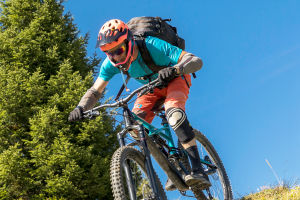
Off-road motorcycle riding offers a very different experience from ordinary road riding. Uneven ground, loose surfaces, sudden turns, and changes in elevation require more attention and control from the rider.
For beginners, the goal should not be performing impressive jumps or difficult tricks, but learning how to handle the motorcycle smoothly and confidently.
With the right protective equipment, gradual practice, and a good understanding of braking, clutch control, and body position, riders can build useful skills step by step.
Start With Proper Protection
Safety equipment should come before riding technique. An off-road helmet with suitable impact protection is essential, while gloves can improve grip and help protect the hands. Riders should also consider protective equipment for the knees, elbows, ankles, and other vulnerable areas. Durable riding clothing can provide additional protection against rough surfaces and unexpected contact with the motorcycle.
Beginners should also choose a suitable practice area. A relatively flat and open section of approved off-road terrain gives new riders more space to understand how the motorcycle responds. Starting slowly makes it easier to identify mistakes before moving to more demanding routes.
Learn Clutch and Throttle Control
Clutch control is one of the most useful skills for off-road riding. Riders need to coordinate the clutch and throttle smoothly rather than relying on sudden movements. Practicing with two fingers operating the clutch can leave more of the hand around the handlebar, helping maintain a steady grip and direction.
Throttle control is equally important. Loose ground can make sudden acceleration difficult to manage, so gradual inputs are generally easier for beginners. Before making any changes to the motorcycle, riders should first become familiar with its standard controls. If adjustments are needed, they should be made carefully and tested in a controlled area.
Use Body Position Wisely
Off-road riding requires the rider to move with the motorcycle. Instead of remaining completely fixed in one position, the rider can shift body weight according to the terrain, direction, and speed. This helps maintain balance when the surface becomes uneven.
When approaching a turn, riders should prepare before entering the corner rather than making large movements halfway through it. Keeping a stable connection with the motorcycle while allowing the body to move naturally can make steering easier. Foot position also matters, particularly when the terrain becomes rough. Riders should avoid placing their feet down unnecessarily and should use the motorcycle's controls consistently.
Brake Before Problems Appear
Braking deserves special attention because sudden braking on loose ground can reduce stability. If a rider waits until the last moment and applies the brakes sharply, the wheels may lose traction, making the motorcycle harder to control.
A better approach is to observe the terrain ahead and begin slowing down early when necessary. Riders should practice smooth braking at low speeds before attempting more complicated sections. Learning how much braking force is appropriate for different surfaces takes time, so beginners should avoid copying advanced techniques before they understand the basics.
Practice Turns and Terrain Changes
Turning, climbing, descending, and crossing uneven ground all require different combinations of throttle, clutch, braking, and body movement. These skills should be practiced separately before being combined on a longer route.
For example, a beginner can first practice gentle turns on relatively even ground. Once steering becomes comfortable, the rider can gradually introduce small changes in surface or elevation. This progression makes it easier to understand how changes in traction affect the motorcycle.
Riders should also pay attention to the route rather than focusing only on the front wheel. Looking ahead provides more time to respond to rocks, ruts, slopes, and changes in direction.
Build Skills Step by Step
Off-road motorcycle riding rewards patience. Difficult jumps, sharp turns, and challenging terrain require precise control, and attempting them too early can quickly turn a learning session into an unsafe situation. Beginners should concentrate on balance, braking, clutch use, throttle control, and body position first.
With regular practice in appropriate areas, these basic movements can gradually become more natural. The most useful progress comes from understanding the motorcycle and the terrain rather than simply riding faster. For anyone beginning this activity, controlled practice and sensible preparation provide a much stronger foundation for enjoyable off-road riding.