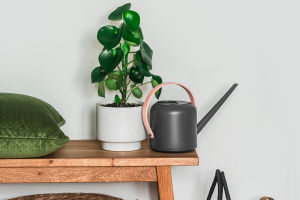
Hi, Readers! Bringing home a new plant is a bit like welcoming a shy houseguest.
It may look cheerful at first, then suddenly drop a leaf or two like tiny green protest notes. That early settling period is normal.
When a plant moves from a greenhouse or shop shelf into your home, it has to adjust to new light, temperature, airflow, and humidity. Even a healthy plant can look a little grumpy while it figures things out.
The main job in this settling period is simple: do less, not more. A new plant usually needs a calm spot and a little patience, not a whirlwind of repotting, feeding, and constant fussing. Check the plant for issues when you bring it home, including yellowing leaves, dry soil, soggy soil, or signs of pests. If you already have other plants, keep the new one separate for a while so any unwanted hitchhikers do not move in next door.
Pick the right spot
Place your plant in a location that matches its light needs as closely as possible. Bright indirect light works well for many common houseplants, while some plants prefer lower light and others want stronger sun. If the original article tags or care label mention a certain exposure, follow that first.
Avoid putting a new plant in a harsh spot right away, such as next to a blasting air vent, heater, or drafty window. A stable environment helps the plant settle without extra stress piled on top like too many coats on a warm day.
Go easy on watering
Watering is where many new plant stories go off the rails. Do not water on a strict schedule just because the calendar says so. Instead, check the soil first. If the top layer feels dry, it may be time to water. If it still feels damp, wait. Overwatering is one of the fastest ways to make a stressed plant even more uncomfortable. A plant adjusting to a new home may use water differently than it did in the shop, so let the soil guide you instead of habit.
Skip repotting at first
It is tempting to give a new plant a stylish new container the second it arrives, but that can add more stress during an already stressful transition. Unless the plant is severely rootbound, sitting in poor soil, or clearly has a drainage problem, it is usually better to wait before repotting. Let it adapt to your space first. Once it looks stable and starts putting out healthy new growth, then you can think about moving it into a new home base.
Hold the fertilizer
Fertilizer may seem like a cheerful welcome gift, but right after a move, plants usually do not need it. Feeding too soon can overwhelm a plant that is still adjusting. During the settling period, focus on proper light, careful watering, and a consistent environment. Those basics do more heavy lifting than any bottle on the shelf. When the plant begins active growth again, that is the better time to consider feeding.
Expect a few dramatic leaves
Leaf drop, slight wilting, or a bit of yellowing can happen while the plant adapts. That does not always mean you are doing something wrong. Plants react to change, and moving from one environment to another is a big shift. Keep an eye on the overall pattern instead of panicking over one sad leaf. If the condition keeps getting worse, then reassess the light, watering, and whether pests may be involved.
Keep care steady
Consistency is the secret sauce here. Try not to move the plant from room to room every other day in search of the perfect spot. Constant change makes it harder for the plant to adjust. Give it time in one suitable place, monitor the soil, and remove any dead or damaged leaves if needed. A calm routine helps the plant settle in much better than frantic rescue missions every afternoon.
A newly purchased plant does not need a makeover montage. It needs a little quiet, a good spot, and care that is thoughtful rather than flashy. So if your new leafy roommate seems a touch moody at first, do not panic. Give it time, keep conditions steady, and let it settle in at its own pace. Soon enough, it should start looking much more at home, and you can enjoy the green company without the melodrama.