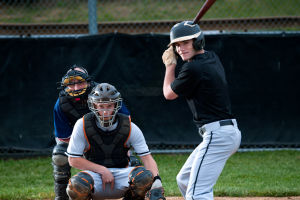
Baseball has a long and fascinating history, beginning with simple bat-and-ball games and gradually becoming one of the world’s most recognized sports.
Its rise did not happen in a single moment. Instead, the sport developed through changing rules, growing clubs, professional competition, international expansion, and the lasting enthusiasm of fans.
To understand why baseball holds such an important place in sports culture, it is helpful to look at how the game evolved over time. Its story is not only about competition, but also about organization, tradition, and the way sports can connect people across generations.
Early Origins
Baseball developed from older bat-and-ball games that were played in many places over several centuries. These early games shared ideas that are still familiar today, including hitting a ball, running between marked points, and recording outs. As the games became more popular, written rules helped transform local recreation into a more organized sport that different teams could play consistently.
The Formation of Modern Baseball
A major step in baseball’s development came during the nineteenth century, when clearer and more uniform rules were introduced. Organized clubs began to appear, and formal competition gave the game greater structure. The New York style of play became especially influential because it provided a more defined set of rules than many earlier local versions. Features such as the diamond-shaped field, team-based competition, and innings-based scoring gradually became central to the sport. During this period, baseball changed from an informal pastime into an organized athletic activity.
Growth of Organized Leagues
As public interest increased, baseball clubs joined together in associations and leagues. This allowed regular schedules, league standings, and championships to become part of the sport. Professional baseball then emerged, creating a major turning point in its history. Players could compete as a full-time occupation, while clubs became stronger and more stable organizations. League competition also attracted wider public attention, and baseball grew into a major spectator sport followed by large audiences.
Changing Rules and New Strategies
Baseball continued to evolve after its early organization. Adjustments to pitching rules, equipment, field conditions, and umpiring influenced the way the game was played. Teams developed more advanced approaches to batting, fielding, and player management. Training, scouting, and player development became increasingly important, helping raise the overall level of competition and making the sport even more engaging for fans.
International Expansion
Although baseball became strongly associated with the United States, it eventually spread far beyond its original base. Travel, cultural exchange, and organized competition helped introduce the game to many regions of the world. Professional leagues and international tournaments strengthened its global presence, while local communities adapted the sport to their own traditions and styles of play. This ability to grow while maintaining its core identity played an important role in baseball’s worldwide appeal.
Baseball in the Modern Era
Today, baseball continues to balance tradition with innovation. Classic elements such as innings, base running, and statistical recordkeeping remain at the heart of the game, while modern training methods, broadcasting technology, and digital analysis have transformed how players prepare and how fans experience the sport. Historic stadiums, memorable performances, and long-standing rivalries have also become part of baseball’s cultural identity.
Baseball’s history shows how a simple game can grow into a lasting cultural institution through organization, adaptation, and public support. From its early bat-and-ball roots to professional leagues and international recognition, the sport has developed step by step while preserving many of its traditional features. More than just a competition, baseball represents shared experience, continuity, and the enduring power of sport to bring people together across different generations and communities.