Photography is not only about capturing a moment; it is about creating an image with purpose, balance, and visual quality.
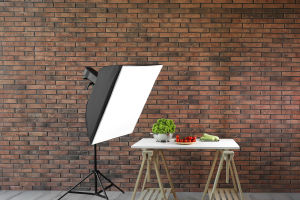
A successful photograph often begins before the shutter is pressed, with careful planning, suitable lighting, and an organised environment. Building a simple home studio setup allows photographers to control important elements such as background, composition, and atmosphere while developing a more consistent creative process.
Whether photographing objects, food, artwork, or personal collections, a thoughtfully designed workspace helps photographers focus on details and produce images with a polished, professional appearance.
Build a practical photography workspace
A professional photography space does not need to be large or complicated. A clean working surface, suitable background, stable camera support, and enough room to adjust angles can create an effective setup for many types of photography.
Keeping the workspace organised improves efficiency and allows photographers to maintain consistency between different sessions. A well-arranged environment also makes it easier to test new ideas, move subjects, adjust perspectives, and explore different compositions.
Small changes, such as repositioning the subject or changing the camera height, can create a completely different visual result and help photographers discover stronger ways to present their work.
Use lighting to enhance image quality
Lighting plays a key role in creating professional-looking photographs. The quality, direction, and balance of light can influence texture, colour, depth, and the overall feeling of an image.
Soft and controlled lighting can create smoother transitions between bright and dark areas while helping important details stand out. Instead of focusing only on increasing brightness, photographers should consider how light interacts with the subject and how different placements affect the final appearance.
Careful lighting adjustments allow photographers to create images that feel more natural, balanced, and visually appealing.
Improve composition through camera angles
Composition determines how different elements are arranged within a photograph. The position of the camera can change the way a subject is viewed and can influence the overall impact of the image.
A lower camera angle may create a stronger presence, while a higher angle can provide a clearer view of the subject and surrounding details. Adjusting framing, spacing, and perspective helps remove distractions and creates a more organised visual structure.
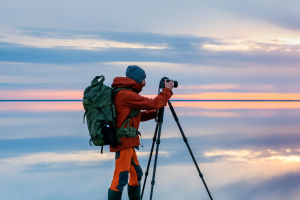
Using a tripod or stable camera support can also improve accuracy, especially when photographers need consistent positioning or multiple images with similar framing.
Prepare every detail before shooting
A professional photograph often starts with preparation rather than the camera itself. Selecting suitable colours, arranging the subject carefully, and creating a clean background can greatly improve the final result.
Every element inside the frame contributes to the story of the image. A thoughtful arrangement helps photographers create pictures that feel intentional, clear, and visually balanced.
Taking time to prepare also allows photographers to focus more on creativity and less on correcting unnecessary distractions during editing.
Develop photography skills through practice
Photography skills improve through regular practice, observation, and experimentation. Testing different lighting positions, camera angles, and arrangements helps photographers understand how small adjustments affect the final image.
A simple studio environment provides a comfortable space for learning and creative exploration. Over time, consistent practice can help photographers develop their own style, improve confidence, and create more refined images.
A well-planned studio creates better images
A strong photograph begins with thoughtful preparation and a controlled creative environment. By building a practical workspace, improving lighting techniques, refining composition, and paying attention to details, photographers can transform simple subjects into polished images.
A home studio setup provides greater creative control and encourages continuous improvement. With the right approach, even a simple photography space can support the creation of professional-quality images.