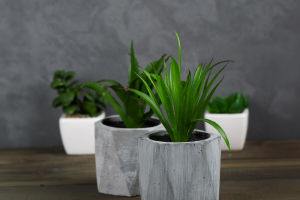
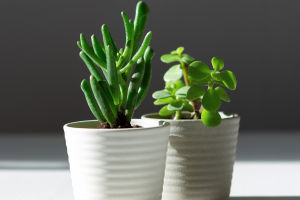
If we have ever admired compact succulents with thick, glowing leaves that resemble natural living sculptures, we are not alone.
Many people try growing them indoors, but common issues such as stretching stems, weak roots, and loss of color often occur. The good news is that with consistent care habits, these challenges can be effectively managed.
This guide outlines practical and reliable methods to help succulents grow strong, maintain compact forms, and develop healthy structure in indoor environments.
Light: The Foundation of Healthy Growth
Light is the most important factor in succulent development. Ideally, succulents should receive around 4 to 6 hours of bright direct sunlight daily. Insufficient light often leads to elongated stems, thin leaves, and weakened structure.
A bright south-facing window is typically the most effective indoor location. Where natural light is limited, full-spectrum artificial lighting can be used for approximately 8 to 10 hours daily, positioned at a suitable distance to avoid heat stress. East- or west-facing windows may also support healthy growth when supplemented with additional lighting. In low-light areas, only shade-tolerant varieties should be considered, and even then, supplemental light is recommended for stable development.
Watering: Controlled Moisture Management
Watering practices are critical to succulent health. These plants thrive under a dry-to-wet cycle, meaning the soil must dry completely before the next watering. This approach prevents root stress and supports long-term stability.
Moisture levels can be checked by inserting a finger a few centimeters into the soil. If it feels dry, watering is appropriate. Alternatively, bottom watering can be used, allowing the soil to absorb moisture gradually before excess water is removed.
Seasonal conditions should also be considered. During cooler months, watering frequency decreases significantly, while warmer periods may require more frequent adjustments depending on evaporation rates. The key principle is consistency without excess moisture retention.
Soil: Structure That Supports Root Health
A well-draining growing medium is essential for succulents. Dense or compact soil restricts airflow and increases the risk of root deterioration.
An effective soil mix typically includes mineral-based components combined with a smaller proportion of organic material. Mature plants generally perform better in higher-mineral substrates, while younger plants may benefit from slightly increased moisture retention.
A drainage layer at the base of the container further enhances water flow and reduces the risk of water accumulation.
Airflow: Maintaining a Stable Indoor Environment
Air circulation plays a significant but often overlooked role in succulent health. Limited airflow can lead to prolonged moisture retention, increasing the risk of plant decline.
Improving airflow can be achieved through gentle indoor ventilation for several hours daily or periodic natural air exchange when conditions allow. After humid or rainy periods, additional ventilation is especially important to maintain balance.
The objective is to simulate a natural, lightly moving air environment that supports healthy respiration and reduces excess humidity around the plant surface.
Shaping: Supporting Compact and Balanced Growth
Maintaining compact and visually balanced succulents requires controlled environmental and physical management. Using appropriately sized containers naturally limits excessive expansion and encourages structured growth.
Water regulation also influences plant form. Allowing the plant to slightly adjust between watering cycles promotes efficient moisture storage and fuller leaf development.
Temperature variation between day and night can enhance coloration and structure. Additionally, removing older or excessive growth helps redirect energy toward healthier new shoots, improving overall plant form.
Preventive Care: Maintaining Plant Stability
Preventive maintenance is more effective than corrective action. Stable environmental conditions significantly reduce plant stress and health issues.
Key practices include avoiding overwatering, maintaining consistent airflow, and ensuring clean growing conditions. When repotting or adjusting plants, careful handling of roots and containers helps preserve plant integrity.
If a plant shows signs of decline, isolating it early helps protect surrounding plants and maintain overall collection health.
Feeding: Minimal and Balanced Nutrition
Succulents require minimal fertilization. During active growth periods, a diluted, balanced plant nutrient may be applied occasionally to support steady development.
During cooler or dormant periods, feeding should be reduced or paused entirely to allow natural growth cycles to continue without interruption.
The guiding principle is minimal intervention with measured support only when necessary.
Let’s Enjoy the Journey of Growth Together
Lykkers, successful succulent care is based on consistency rather than complexity. When light exposure, watering balance, soil structure, airflow, and minimal feeding are properly managed, succulents naturally develop into healthy, compact, and visually appealing plants.
With regular observation and steady care, indoor succulents can thrive and become long-lasting natural elements within any living space.