Few flowering plants create a visual impact like wisteria at peak bloom.
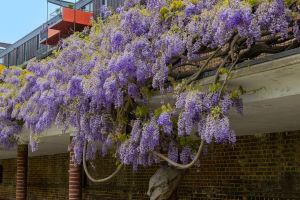
Every spring, wisteria produces cascading clusters of purple, lavender, pink, or white flowers that attract visitors everywhere.
These long, pendulous racemes, sometimes reaching two feet (0.6 meters) or more, drape over vines so completely that the foliage nearly disappears beneath them. For a few weeks each year, a mature wisteria in full flower is one of the most spectacular sights a garden can offer.
Botanical Characteristics and Origins
Wisteria is a member of the pea family, Fabaceae, and has existed since at least the Miocene epoch. There are several cultivated varieties known for their vigorous growth and striking flower clusters. Some varieties can spread aggressively if not managed, due to rapid growth and resistance to pests and diseases.
Varietal Differences
Although similar in appearance, wisteria varieties differ in growth and flowering patterns:
- Early-blooming varieties flower all at once, creating a dramatic burst of color. They twine in one direction around their support.
- Later-blooming varieties flower sequentially along the clusters, extending the display over several weeks. These varieties can produce the longest racemes, some reaching up to two meters, and twine in the opposite direction, giving them a graceful and elegant appearance.
Cultural Significance
Wisteria is widely admired for its beauty, elegance, and ornamental value. It frequently appears in artistic designs, decorative structures, and garden displays. Each year, wisteria viewing attracts people to gardens and pergolas, where mature vines create breathtaking tunnels of flowers, making it a celebrated feature in public and private spaces.
Growing and Caring for Wisteria
Wisteria thrives in full sun and well-drained, moist soil. It is a vigorous vine capable of reaching 30 meters (approximately 100 feet) or longer. Without strong support, it can damage structures or pergolas.
- Planting: Grafted or cutting-grown plants flower sooner than those grown from seed.
- Pruning: Annual pruning after flowering keeps growth manageable and encourages blooms for the next season.
- Longevity: Wisteria can live for over 50 years, making it a long-term gardening commitment.
- Toxicity: All parts of the plant, including seed pods, are toxic to humans and pets.
Wisteria is more than a climbing vine; it is a living work of art and a symbol of natural elegance. With proper care, gardeners can enjoy its breathtaking blooms year after year while appreciating the charm and ornamental beauty it adds to any garden.