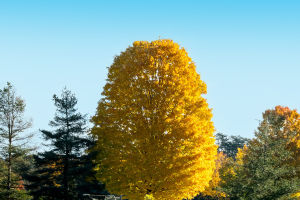
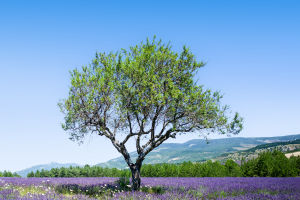
There's something mesmerizing about plants that seem to outlast everything around them—trees with centuries etched in their rings or succulents that quietly thrive for decades.
Their secret isn't dramatic growth spurts but a steady, measured rhythm that balances survival with resilience. Observing this rhythm can teach us practical lessons for caring for our own plants.
Understanding slow, steady growth
Long-lived plants often grow deliberately rather than rapidly, conserving energy for tough times.
Seasonal pacing means leaves and shoots appear gradually, avoiding stress from sudden environmental changes.
Root-first strategy prioritizes underground development before above-ground expansion, stabilizing the plant.
Incremental growth reduces the risk of damage from storms or drought.
For indoor gardeners, this means patience is key. Instead of expecting immediate results, observe your plant weekly. Noticing small changes, like a new bud or subtle leaf expansion, is often a sign of healthy, sustainable growth.
Resource management and resilience
Longevity comes from smart use of water, nutrients, and energy.
Water storage in leaves, stems, or roots helps plants survive dry spells.
Selective nutrient allocation ensures growth where it's most needed, often favoring vital structures like roots or buds.
Energy conservation limits unnecessary flowering or leaf production during unfavorable conditions.
A practical takeaway: avoid overwatering or overfertilizing slow-growing species. For example, cacti and aloe prefer infrequent watering, allowing their natural storage mechanisms to function.
Adaptive strategies in changing environments
Long-lived plants often face shifting conditions, so flexibility is crucial.
Leaf adjustments alter size, thickness, or orientation to optimize light capture and reduce water loss.
Seasonal dormancy halts above-ground growth during extremes like heat or cold.
Protective structures such as waxy coatings or tough bark safeguard sensitive tissues.
In practice, notice how your plants react to changes in sunlight or temperature. Moving an indoor succulent closer to indirect light during winter mimics its natural adaptive response without causing stress.
Slow reproduction for long-term survival
Rather than producing seeds or flowers constantly, many long-lived plants invest in timing and quality.
Infrequent flowering ensures energy isn't wasted, improving chances for seed survival.
Seed durability allows offspring to survive harsh periods before germinating.
Clonal growth spreads new shoots from existing roots, maintaining longevity without relying solely on seeds.
For gardeners, this means patience with flowering cycles. If a slow-growing plant doesn't bloom every year, it's often natural and not a sign of neglect.
Lessons for plant care
Observing long-lived plants can guide everyday practices:
Patience over speed—resist the urge to force growth with excessive fertilizers.
Observe, don't disturb—slow-growing plants thrive when left mostly alone.
Support natural cycles—provide seasonal changes in light or watering to mimic their native rhythms.
Understanding these principles allows us to care for plants in a way that respects their natural pace. Watching a bonsai slowly expand its canopy or a succulent gradually thicken its leaves is not just aesthetically pleasing—it's a lesson in patience and resilience. By following the example of long-lived plants, we can foster greenery that thrives not just for months, but for years or even decades, quietly teaching us the value of slow, steady care.